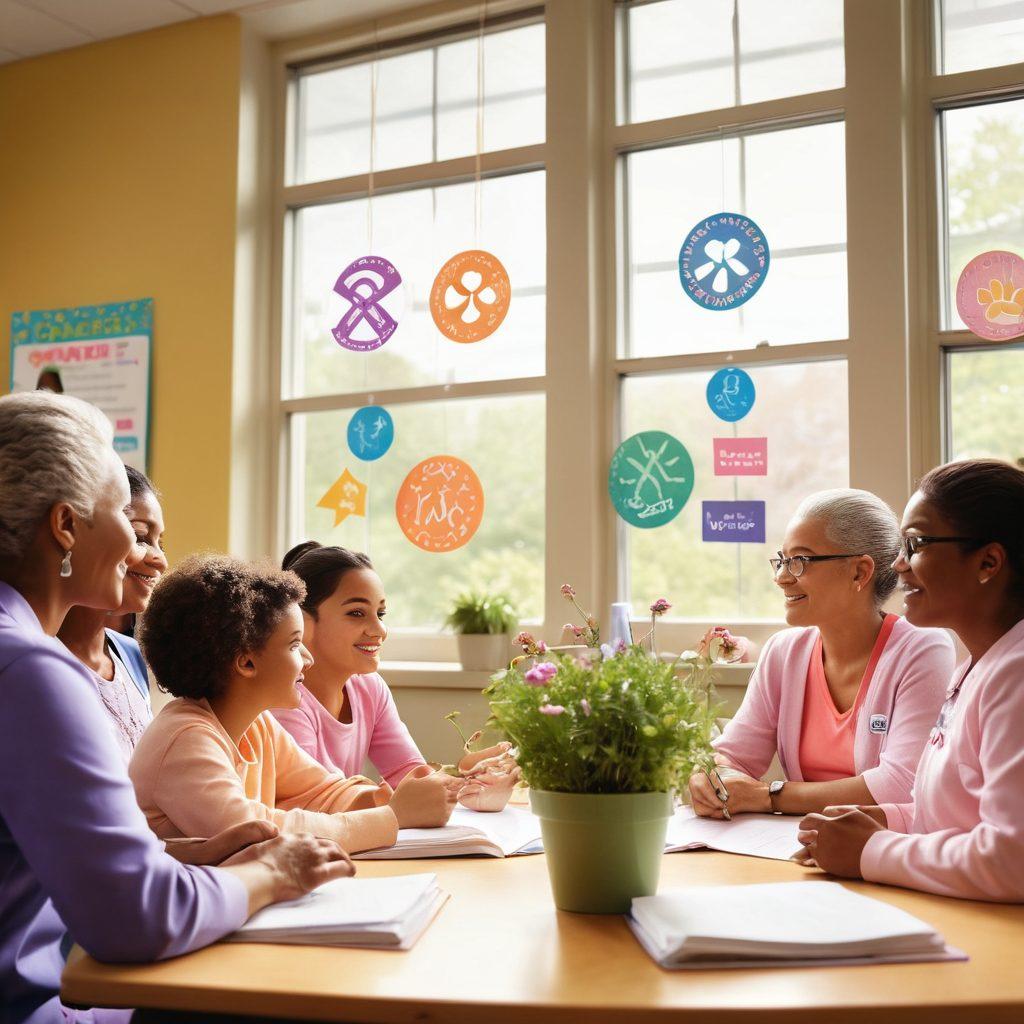
Empowering Survivors: Navigating the Journey Through Cancer Care and Beyond
Navigating the tumor terrain can feel like wandering through an uncharted wilderness. Each step leads to new challenges, uncertainties, and, hopefully, pathways toward healing. For those diagnosed with carcinoma or any form of malignancy, the journey can become overwhelming. It’s essential to gather insights into cancer care that empower patients and their loved ones, offering them the tools to traverse this complex landscape with confidence and clarity.
Have you ever watched the branches of a tree sway in the wind, wondering what keeps them grounded despite the storms? Just like the branches, cancer patients need a support system that provides strength during their treatment. Whether it’s through an oncologist’s expertise or the warmth of community resources, navigating cancer care emphasizes the importance of collaboration. From chemotherapy to radiation therapy, treatment options abound, but the quality of care can vary. How can one advocate for themselves or their loved ones in this challenging encounter?
Early detection and regular screening are your best allies in this fight. They act as the confident compass leading you towards timely intervention. A proactive health education strategy ensures you stay informed about the signs and symptoms associated with your specific type of cancer. As you learn more about the intricacies of tumor characteristics and how they affect treatment options, you may become more adept at asking the right questions during appointments. Did you know that clinical trials may offer access to groundbreaking therapies? Understanding these options adds new dimensions to your survivorship plan.
Speaking of wellness, integrative medicine plays a vital role in the recovery journey. Merging traditional medical approaches with holistic health strategies can significantly enhance physical and emotional well-being. Incorporating nutrition, fitness, and psychosocial support into your daily routine not only empowers you as a survivor but also enriches your quality of life. Will you take that first step today towards adopting healthier habits?
Finally, remember that you are not alone in this battle against cancer. Connecting with fellow survivors can be a source of inspiration and hope, revealing the power of shared experiences. Patient advocacy organizations foster a sense of community, encouraging open dialogues about cancer care and resources available. Many find solace in the stories of others, drawing strength from words like, 'In the midst of winter, I found there was, within me, an invincible summer.' The journey through cancer care doesn't end with treatment; it evolves into lifelong survivorship, filled with opportunities for growth and wellness.
Survivorship Strategies: From Chemotherapy to Holistic Health
Survivorship is a journey, often filled with challenges, triumphs, and unyielding resilience. As a cancer survivor, you may feel like you're navigating uncharted waters after enduring treatments such as chemotherapy and radiation therapy. But fear not! With the right survivorship strategies, you can take the reins of your health, boost your wellness, and truly thrive. Think of it as crafting your own roadmap in the vast landscape of cancer care. What tools and resources do you need to chart the best course for yourself?
First and foremost, it’s imperative to maintain open and honest communication with your oncologist. Your oncologist is not just a medical professional; they can be a pivotal partner in your survivorship. They can guide you through the maze of clinical trials, offer insights into your specific carcinoma or malignancy, and provide you with essential information about screening and early detection for the future. Remember, your journey doesn’t end with the last session of chemotherapy—it's only just begun! Or as many survivors put it, "Surviving doesn’t mean just living; it means living well."
One of the most empowering aspects of survivorship is taking charge of your holistic health. Integrative medicine plays a significant role here, blending conventional treatments with alternative therapies focused on wellness. Nutrition becomes not just a choice but a powerful ally in your recovery journey. What foods can act as those trusty sidekicks on your road toward health? Embracing a balanced diet rich in antioxidants and whole foods can help your body fend off any lurking tumor cells. Additionally, you might want to explore fitness—stay active, whether it's through gentle yoga or vigorous workouts. The endorphins can do wonders for your mental wellbeing!
Psychosocial support cannot be overlooked, either. Surrounding yourself with a network of fellow survivors and advocates can foster an invaluable community resource where stories, strategies, and strength are shared. Together, you can create a safe space for discussions about mental health, concerns about the future, and even just the little victories that encourage you daily. Consider seeking wellness workshops or support groups in your area. They can provide both emotional backing and practical health education that further enhances your survivorship experience.
In the end, every survivor’s path is unique, but by embracing a multifaceted survivorship strategy, you can transform your journey with cancer into a powerful testimony of hope and courage. Each decision you make—from patient advocacy during treatment to maintaining a supportive social circle—reinforces your resilience. So, what's your next move? Are you ready to take the next step toward not only surviving but thriving? Your journey is yours to define!
Empowerment Through Education: Patient Advocacy in the Fight Against Malignancy
In a world where the word "cancer" can evoke fear and uncertainty, empowerment through education becomes a beacon of hope for individuals battling malignancy. The journey through cancer care, whether you're facing carcinoma, undergoing chemotherapy, or exploring options like radiation therapy, is overwhelming. Yet, it doesn't have to be a solitary path. Patient advocacy is key — it helps transform the experience from one of helplessness into a journey of informed decisions and active participation in one's own health. With the right resources and knowledge, survivors and their families can navigate this tumultuous terrain with confidence and perseverance.
Imagine standing before an oncologist, hearing words that can change your life forever: "You have a tumor." It’s a moment that can freeze time and lead to countless questions. But what if instead of feeling powerless, you understood every aspect of your diagnosis, from the implications of clinical trials to the intricacies of integrative medicine? Empowerment through education is the first step to reclaiming control. By being well-informed about your health, including the options available for screening and early detection, you can make choices that align best with your values and wishes.
Health education doesn’t just end with a diagnosis; it continues to inform choices throughout the survivorship phase. Understanding how wellness intersects with nutrition and fitness can significantly influence recovery outcomes. Studies show that maintaining a balanced diet and regular physical activity can make a tangible difference in managing symptoms and side effects. The connections between the mind and body also remind us that psychosocial support is just as vital as any clinical treatment. How are you taking care of your mental well-being during this journey?
One of the most empowering tools in the battle against malignancy is tapping into community resources. Whether it's local support groups, wellness workshops, or informational seminars, being part of a supportive community can mitigate feelings of isolation. These resources not only provide practical information but also foster connections with others who understand your journey firsthand. Engaging with fellow survivors can open doors to significant conversations about what worked, what didn't, and how together, you can navigate the ups and downs of recovery and rehabilitation.
In the end, patient advocacy is not merely about advocating for oneself in a medical setting; it's about raising your voice for others as well. Share your experiences, engage with health education initiatives, and contribute to discussions about holistic health options. Cannulate advocates build a bridge for future survivors, ensuring they have access to the same empowerment through education that you received. As you stand at the crossroads of survivorship, remember: education is power. Embrace it, share it, and let it guide you through the complexities of cancer care and beyond.